
“Nigeria’s greatest resource is not oil; it is our people, their creativity, talent, ideas, and intellectual property.”
At ASIS 2026, Obi Asika , Director-General, National Council for Arts and Culture (NCAC), highlighted the immense potential of Nigeria’s human capital and the need to create pathways for talent and creativity to translate into economic value.
From ideas to intellectual property, investing in our people is an investment in Nigeria’s future.
The Africa Social Impact Summit (ASIS) has emerged as one of the continent’s leading platforms for mobilising capital, partnerships, and practical solutions to Africa’s development challenges. Co-convened primarily by the Sterling One Foundation and the United Nations in Nigeria, ASIS brings together governments, private sector leaders, impact investors, development finance institutions, philanthropists, civil society, and innovators with a clear focus: move beyond rhetoric and accelerate progress on the Sustainable Development Goals (SDGs) through market-led approaches.
Origins and Evolution
ASIS was launched in 2022. The inaugural edition took place in Abuja as a joint initiative of the Sterling One Foundation and the UN Global Compact Network Nigeria, with support from partners including Sterling Bank, The Coca-Cola Company, and others. What began with a relatively modest group of institutions has grown rapidly. Subsequent editions have expanded in scale and ambition, attracting thousands of participants from dozens of countries.
By 2024 and 2025, the summit had solidified its reputation as a serious convening for inclusive development. The 2025 edition (ASIS 4.0), themed around scaling action for climate resilience and policy innovation, drew over 2,500 delegates. The 2026 edition, held 22–24 July at the Eko Convention Centre in Lagos, carried the theme “Financing for Development: Building Resilience and Transforming Emerging Economies.” Organisers expected more than 2,000 delegates from over 50 countries and targeted investment deals exceeding $500 million.
Since its inception, ASIS has reportedly helped mobilise over $1 billion in investments and partnerships across critical sectors.
Core Purpose and Approach
ASIS positions itself as more than a traditional conference. Its organisers describe it as a platform for developing market-led solutions to Africa’s social challenges. Key features include:
- High-level policy dialogues and multi-stakeholder discussions.
- Investor roundtables and a dedicated Deal Room (managed in recent editions with support from the African Venture Philanthropy Alliance and the Nigeria Sovereign Investment Authority) that connects mid-stage impact enterprises with capital.
- Focus on sectors with high development impact: education, healthcare, climate resilience and clean energy, food systems and agriculture, gender equality and women’s empowerment, youth development, the creative economy, WASH, and sustainable finance.
- Emphasis on collaboration between government, business, development partners, and civil society to create enabling policies and scalable solutions.
The underlying premise is straightforward: Africa’s development needs far exceed what public budgets and traditional aid can deliver. Private capital, innovative financing instruments, and cross-sector partnerships are essential. ASIS seeks to reduce the friction between capital providers and high-potential African solutions.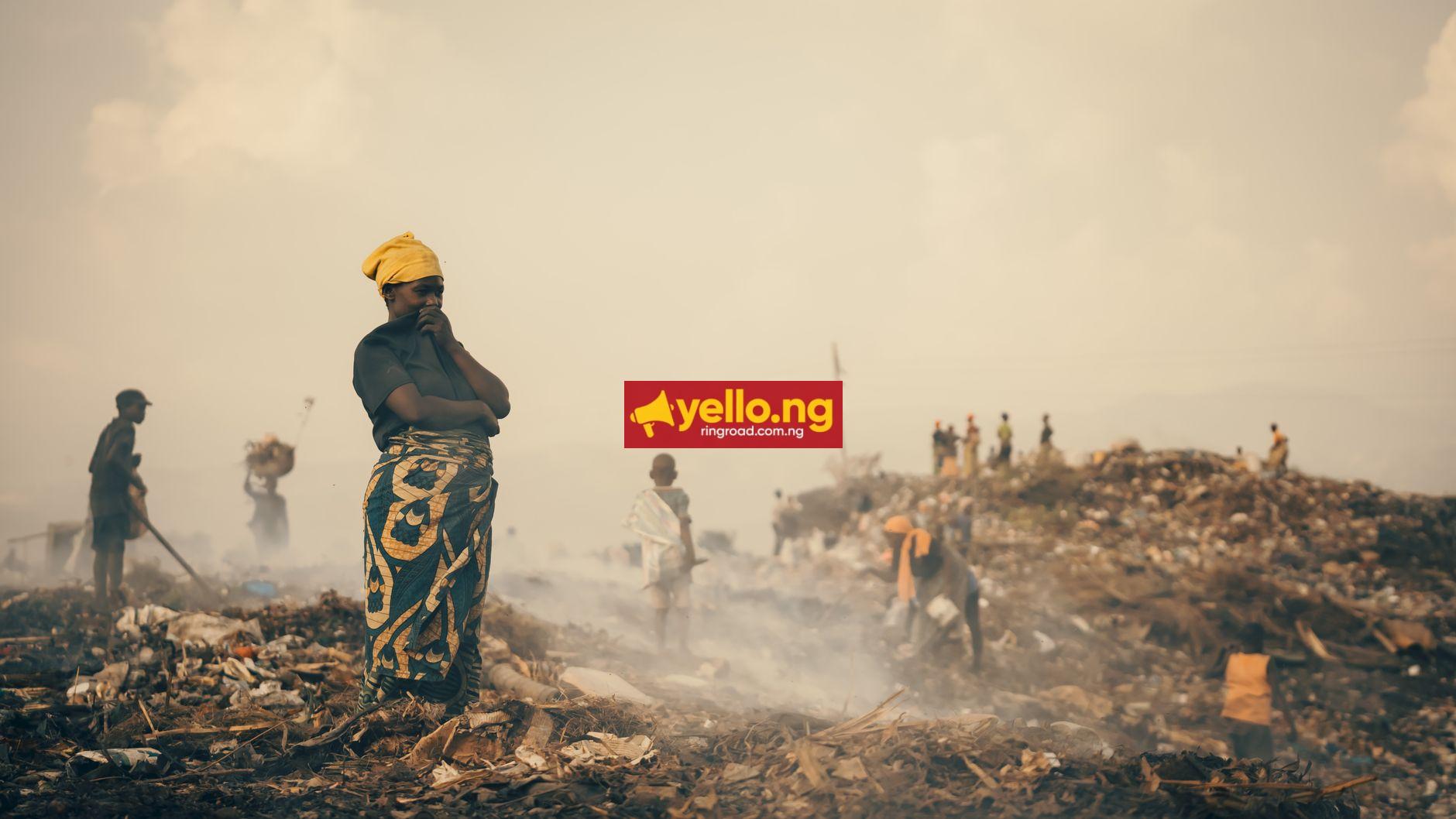
Why It Matters
Africa faces a confluence of pressures—tightening global capital flows, climate shocks, food security challenges, rapid population growth, and a large youth demographic that requires jobs and opportunity. At the same time, the continent represents one of the world’s largest long-term investment opportunities if the right financing and enabling environments can be unlocked.
By convening decision-makers who control capital and policy, ASIS aims to convert conversations into commitments. The inclusion of the creative economy and intellectual property as areas of focus (highlighted in remarks such as those by Obi Asika, Director-General of Nigeria’s National Council for Arts and Culture) reflects a growing recognition that human capital, talent, and ideas are central to sustainable growth—not just extractive resources.
Looking Ahead
ASIS continues to evolve from a dialogue platform into a more delivery-oriented one. Success will ultimately be measured less by attendance numbers and more by the quality and durability of the partnerships and capital flows it catalyses, as well as the policy and ecosystem improvements that follow.
For investors, policymakers, entrepreneurs, and development practitioners focused on Africa, the summit has become a regular fixture on the calendar—a place where the continent’s challenges and opportunities are discussed with an explicit orientation toward financing and implementation. In a landscape crowded with forums, ASIS’s emphasis on market-led solutions and measurable investment outcomes gives it a distinct role in Africa’s development architecture.
Official site: theimpactsummit.org
HOSTIFI CHEAP HOSTING