
How Bamboo Is Changing Plastic in China — and Soon the World
An Environmental, Economic and Practical Investigation by time.com.ng
Plastic has defined modern convenience for more than half a century. It is cheap, versatile, lightweight and durable. Those same qualities have also made it one of the most persistent pollutants on Earth. Now China, the world’s largest producer and consumer of many plastic products and the country with the richest bamboo resources, is mounting a systematic effort to replace large categories of plastic with bamboo. The initiative is already reshaping packaging, tableware, daily goods and industrial materials at home, and it is beginning to influence global markets.
Why Plastic Is Harmful to the Planet
The scale of the plastic problem is vast. The world produces hundreds of millions of tonnes of plastic each year. Only a small fraction — roughly 9% historically — is effectively recycled. The rest accumulates in landfills, is incinerated, or leaks into the environment. Single-use plastics (packaging, bags, cutlery, straws, food containers) form a major share of this waste stream.
Once in the environment, plastic does not truly disappear. It fragments into microplastics (smaller than 5 mm) and eventually nanoplastics. These particles have been found in oceans, rivers, soil, air, drinking water, food, and human tissues. Marine animals ingest or become entangled in plastic debris; ecosystems are disrupted. Plastic production, almost entirely dependent on fossil fuels, also generates significant greenhouse gas emissions across its life cycle — extraction, manufacturing, transport and disposal. Without major changes, plastic pollution and associated emissions are projected to rise substantially in the coming decades.
Beyond pollution, plastic creates economic and social costs: cleanup expenses, damage to fisheries and tourism, and potential long-term health questions related to chemical additives and microplastic exposure. Recycling systems struggle with contamination, mixed materials and low economic value for many items. In short, the current plastics system is linear, polluting and difficult to close at scale.
Bamboo as a Practical Alternative
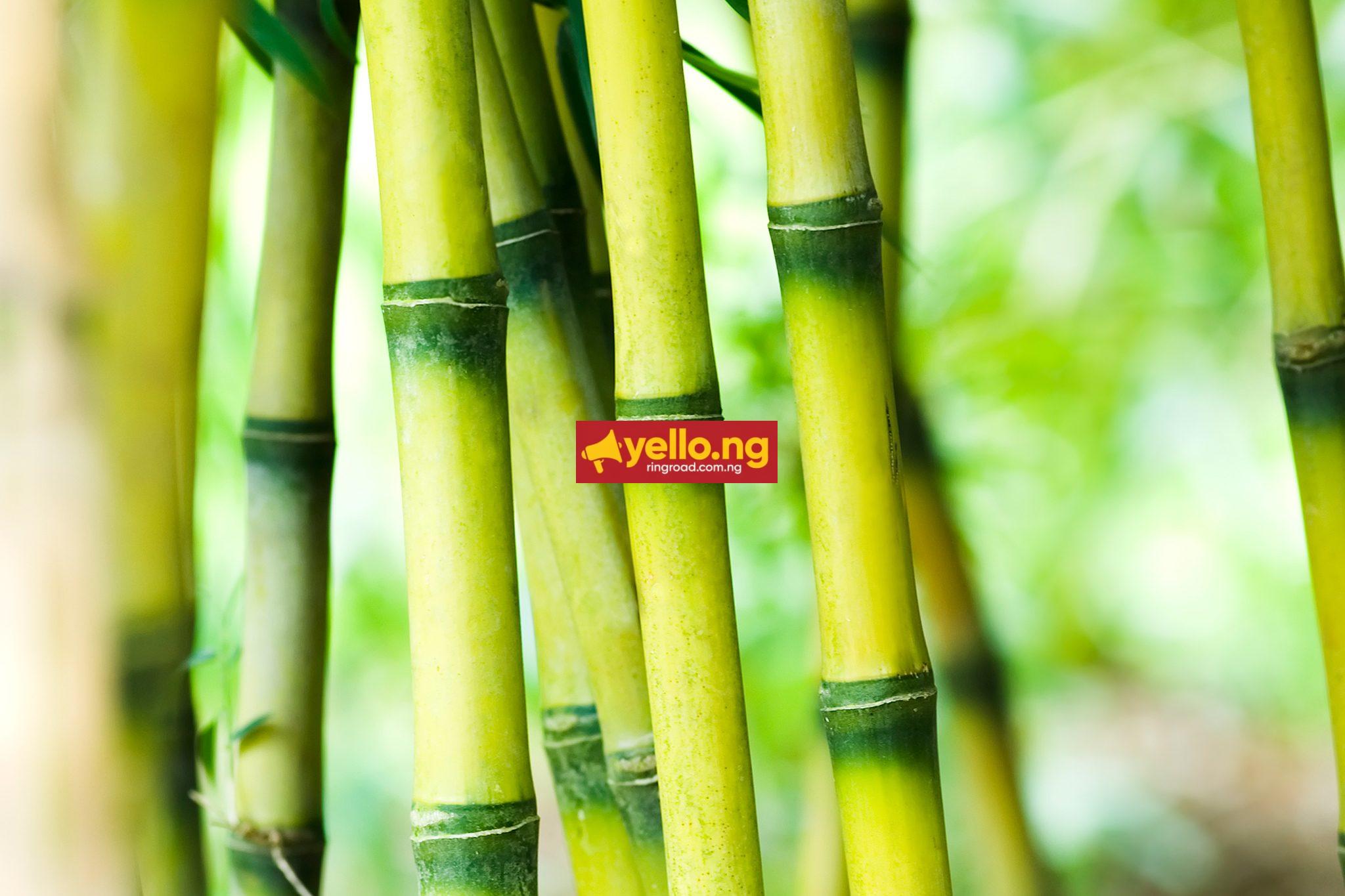
Bamboo is not a tree but a giant grass. Many species grow extremely fast — some reaching maturity in three to five years — and can be harvested repeatedly without killing the plant. It is renewable, biodegradable under the right conditions, strong, and versatile. China holds the world’s richest bamboo resources (hundreds of species and millions of hectares of bamboo forest) and has long experience in processing it.
Bamboo can be turned into:
- Disposable and reusable tableware (plates, bowls, cups, cutlery, chopsticks, straws)
- Packaging materials and molded fiber products
- Bags and films (including blends with bamboo powder)
- Toothbrushes, combs and personal-care items
- Textiles and fibres
- Composite materials for industrial uses, automotive interiors, construction and more
Unlike conventional plastic, properly designed bamboo products can return to biological cycles. Many also offer lower carbon footprints when sustainably managed, because bamboo sequesters carbon during growth and requires less energy-intensive processing than fossil-based plastics in certain applications.
China’s “Bamboo as a Substitute for Plastic” Drive
China has elevated bamboo substitution into national policy. In 2022 it jointly launched the Bamboo as a Substitute for Plastic (BASP) Initiative with the International Bamboo and Rattan Organization (INBAR). In late 2023, ministries including the National Development and Reform Commission issued a Three-Year Action Plan to accelerate the industry. The plan aims to build a preliminary industrial system by 2025, raise the added value of key bamboo-for-plastic products, improve material utilisation rates, and expand standards, innovation, production-sales linkages and international cooperation.
A dedicated standards system has been developed covering multiple product categories. Demonstration bases have been designated in major bamboo-producing regions such as Anji County in Zhejiang, areas of Fujian, Sichuan, Guizhou (including Chishui), Guangdong and Anhui. Local governments and enterprises are substituting plastic in canteens, hotels, restaurants, packaging and consumer goods. Companies have developed bamboo-fibre packaging used by major electronics brands, bamboo pulp tableware for export, and composites for industrial applications.
The economic footprint is already substantial. China’s bamboo industry output has reached hundreds of billions of yuan annually and supports millions of jobs along the value chain — from forest management and primary processing to manufacturing and trade. Exports of bamboo tableware and related products have grown, finding markets in Europe, Japan, the United States and Southeast Asia, often helped by foreign restrictions on single-use plastics.
Environmental and Economic Advantages
Environmental side: Rapid renewability reduces pressure on slower-growing forests. Biodegradability and compostability (for many products) limit long-term accumulation compared with conventional plastics. Carbon sequestration during growth and potentially lower process emissions in some applications contribute to climate goals. Reduced leakage of persistent plastic and microplastics protects ecosystems.
Economic side: Bamboo creates rural employment and value addition in producing regions. It supports a diversified industrial chain (materials, manufacturing, design, export). As plastic regulations tighten worldwide, demand for credible alternatives rises, opening export opportunities. Public procurement and policy support in China help scale production and lower costs through volume and technology improvement. Some manufacturers report that costs for certain bamboo packaging can approach those of ordinary plastic bags at scale.
Challenges remain: ensuring consistent quality and performance (especially for food-contact and barrier properties), managing moisture and durability issues, controlling processing chemicals, expanding consumer acceptance, and guaranteeing truly sustainable forestry and manufacturing practices. Not every plastic application can be replaced by bamboo today; technical and economic limits still exist for some high-performance or highly specialised uses.
From China to the World
China’s combination of abundant resources, industrial capacity, policy coordination and export orientation makes it the current leader. Other bamboo-growing countries (in Asia, Africa and Latin America) are watching and, in some cases, developing their own capacity. Global brands seeking plastic reduction targets, and governments enforcing single-use plastic bans, create ready demand. International cooperation through INBAR and related initiatives aims to spread technology, standards and markets.
Bamboo will not eliminate all plastic use. High-performance engineering plastics, medical applications and certain packaging functions will continue to require specialised materials for the foreseeable future. Recycling, redesign, reuse systems and other bio-based alternatives also remain essential. Yet for a large and visible category of single-use and short-life products — packaging, food service items, personal care disposables and many daily goods — bamboo offers a scalable, renewable and increasingly competitive pathway.
Conclusion
Plastic’s convenience came with a heavy environmental bill that the planet is still paying. China’s systematic push to substitute bamboo for plastic demonstrates that a nature-based, industrially processed alternative can move from niche to mainstream when resources, technology, policy and markets align. The environmental case rests on renewability, reduced persistence and lower long-term pollution. The economic case rests on rural livelihoods, industrial upgrading and export growth in a world that is steadily restricting conventional plastics.
What is unfolding in Chinese bamboo counties and factories is not merely a local substitution programme. It is an early, large-scale test of whether a fast-growing plant can meaningfully displace one of the most ubiquitous materials of the modern age — and whether that model can travel. For packaging and many everyday uses of plastic, bamboo is no longer a curiosity. In China it is becoming industrial reality, and the rest of the world is beginning to take notice.
Investigation compiled from policy documents, industry reports, Chinese official and media sources, international bamboo organisations and environmental data on plastic pollution. Figures and policies reflect developments through 2025–2026.
HOSTIFI CHEAP HOSTING