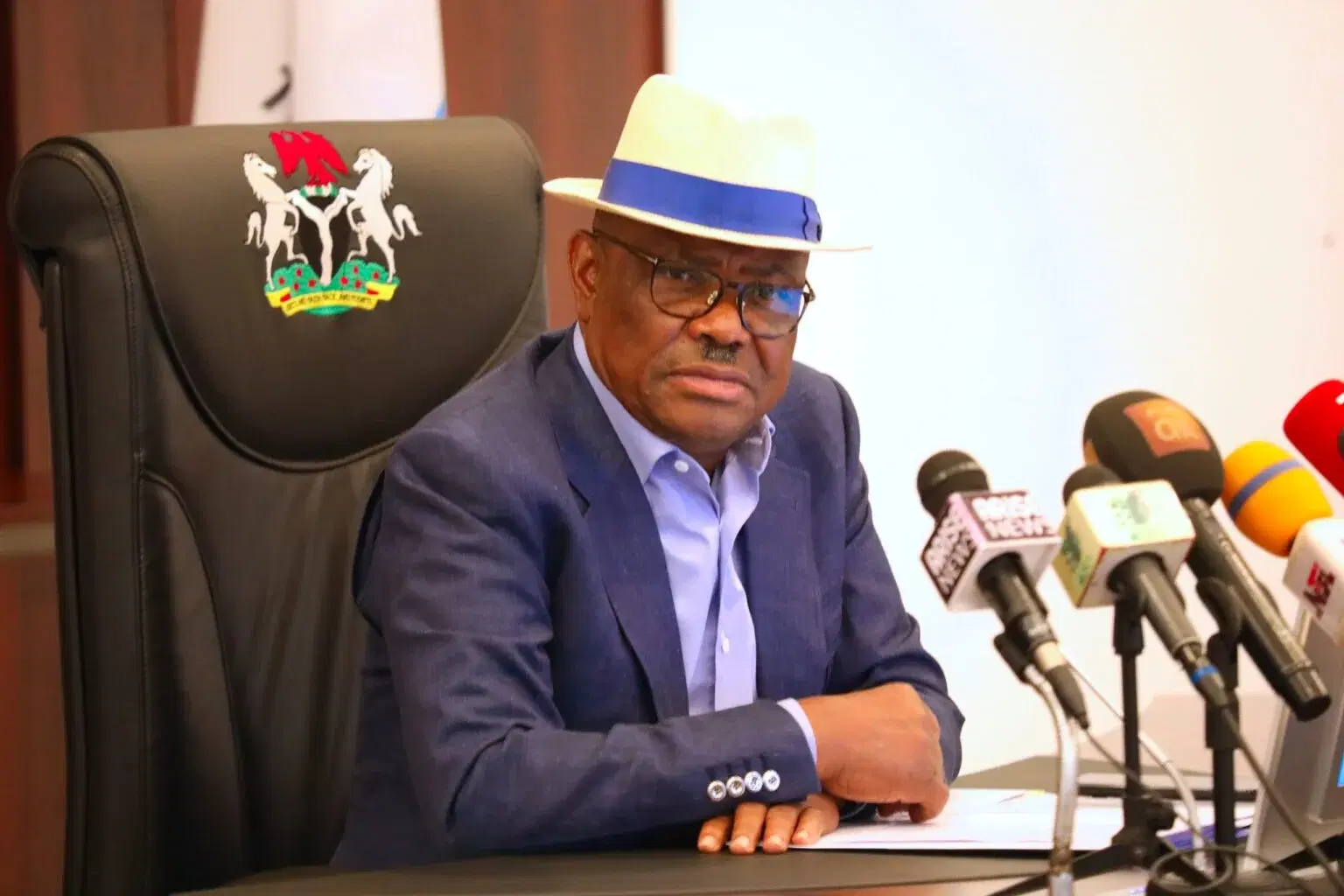
Federal Might & The New Name for Election Rigging and Fraud
Elections in Nigeria have long existed in the shadow of a recurring, ominous phrase: “Federal Might.” To the average citizen, political analyst, and voter, the term is a polite euphemism for state-backed manipulation, institutional coercion, and outright electoral fraud. It evokes images of security apparatuses being hijacked, public resources deployed for partisan gain, and the collective will of the electorate being subverted by those occupying corridors of power at the center.
Recent political discourse surrounding high-profile electoral cycles, including the intensely watched gubernatorial contest in Osun State, has once again dragged this phrase into the national spotlight. Comments and post-election analyses from prominent figures have laid bare how institutional influence is conceptualized, brandished, and—crucially—sometimes checked by a resolute populace.
The Rhetoric of “Federal Might”
In the lead-up to and aftermath of critical regional elections, political actors frequently weaponize the narrative of federal might. Statements emerging from figures within the ruling circles have often danced around the concept, suggesting that outcomes could look vastly different if the full, unbridled weight of the central government’s apparatus were actively unleashed.
Critics and opposition parties argue that framing elections as a duel between “the people’s will” and “federal might” normalizes corruption within the democratic process. Rather than viewing elections as a free choice of the citizens, it transforms democracy into a contest of survival against an overpowering state machine. When leaders casually suggest that an election could have been won or altered if “federal might” had been applied, it strips the ballot box of its sanctity, reframing rigging not as a crime, but as a strategic option that was simply left on the table—or attempted covertly.
Financial Inducements and the Failure of Control
Beyond structural coercion, conversations tracking high-stakes gubernatorial battles often spotlight the staggering financial war chests deployed to sway outcomes. Reports and political commentary detailing attempts to capture states like Osun frequently point to allegations of multi-billion-naira expenditures funneled into vote-buying, logistics manipulation, and influencer co-optation.
Despite these heavy financial deployments and the intimidation of state machinery, recent electoral outcomes—such as those observed in Osun—have demonstrated the hard limits of political control. Analysts and parties like the Social Democratic Party (SDP) have noted that when a population is galvanized and fiercely determined to protect their votes, even the combined pressures of heavy spending and federal influence can fracture and fail.
The failure of these systemic strategies sends a powerful message to Nigeria’s political class: the era of absolute control through intimidation is facing heavy resistance.
Conclusion: Reclaiming the Ballot
The “Olodo Uprising” and the continuous debate over federal might point to a profound friction in modern Nigerian democracy. On one side stands a system tempted by the levers of state power, financial dominance, and structural manipulation. On the other stands an increasingly aware populace and digital generation navigating the tension between survival and civic integrity.
If Nigeria’s democracy is to mature, the phrase “federal might” must transition from being a shadow hanging over election days to a relic of the past. True democratic strength does not lie in how effectively a ruling party can bend institutions to its will, but in how faithfully it respects the sovereign voice of the people.
HOSTIFI CHEAP HOSTING